
Thinking about straightening your teeth but can’t decide between traditional braces and clear aligners? You’re not alone. With modern orthodontics offering more options than ever, choosing the right path to your dream smile can feel overwhelming.
Let’s break it down in a no-fluff way so you can decide what fits your lifestyle, goals, and personality.
Traditional Braces: The Classic Powerhouse
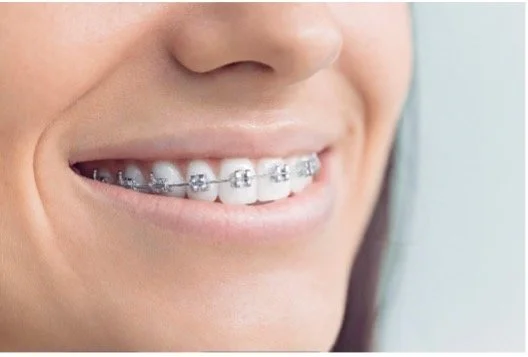
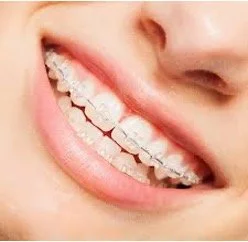
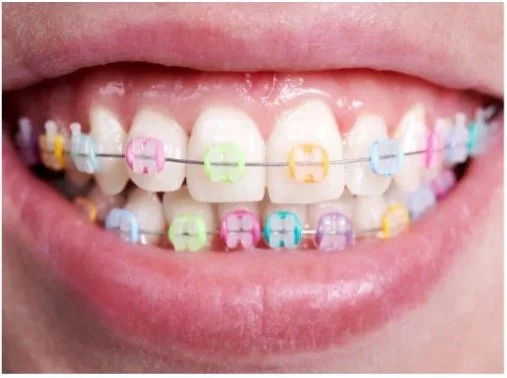
Braces have been around for decades — and they’ve earned their reputation.
How They Work
Braces use metal or ceramic brackets attached to your teeth, connected by wires that gradually shift teeth into alignment. Your orthodontist adjusts them every 6-8 weeks to keep things moving.
Pros
- Extremely effective
- No need to remember to wear them (they’re fixed!)
- Often more affordable than aligners
- Fun colored bands for personalization
Cons
- Noticeable
- Some food restrictions
- Can feel some soreness after adjustments
- Extra effort for brushing and flossing
Best For
- Severe crowding or bite correction
- Any patient who might forget to wear aligners
- Anyone who wants a tried-and-true solution
Clear Aligners: The Low-Key Contender

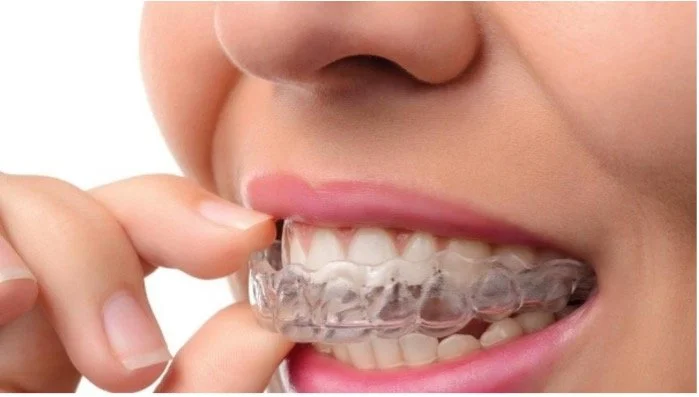
Clear aligners have changed the orthodontic game. Brands like Invisalign made nearly invisible teeth straightening possible.
How They Work
You’ll receive a series of custom-made, transparent trays that gently move your teeth. Each set is worn for about 1–2 weeks before switching to the next.
Pros
- Nearly invisible
- Removable (eat what you want!)
- Easier brushing and flossing
- Generally, more comfortable
Cons
- Must wear 20–22 hours per day
- Can be lost or forgotten
- May not handle very complex cases
- Sometimes slightly more expensive
Best For
- Mild to moderate alignment issues
- Professionals or adults wanting discretion
- Disciplined patients who’ll wear them consistently
Side-by-Side Comparison
| Feature | Braces | Clear Aligners |
|---|---|---|
| Visibility | Highly visible | Nearly invisible |
| Removable | No | Yes |
| Food Restrictions | Yes | No |
| Maintenance | More difficult | Easier |
| Best for Complex Cases | Excellent | Limited |
| Requires Discipline | Low | High |
What About Cost?
Costs vary depending on complexity and location, but generally:
Many orthodontists offer payment plans, and insurance may cover part of the treatment.
Lifestyle Matters More Than You Think
Here’s the truth: both options work. The real question is — what works for you?
Ask yourself:
- Will I remember to wear aligners 22 hours a day?
- Do I mind visible brackets?
- How important is flexibility with food?
- Is my case simple or complex?
Your orthodontist will guide you, but your daily habits play a huge role in success.
Final Verdict: It’s Not About Better — It’s About Better for You
If you want maximum power with minimal responsibility → Braces might be your winner.
If you want subtle, flexible, and modern → Clear Aligners could be your smile’s new best friend.
Either way? You’re investing in confidence — and that’s always worth it!